


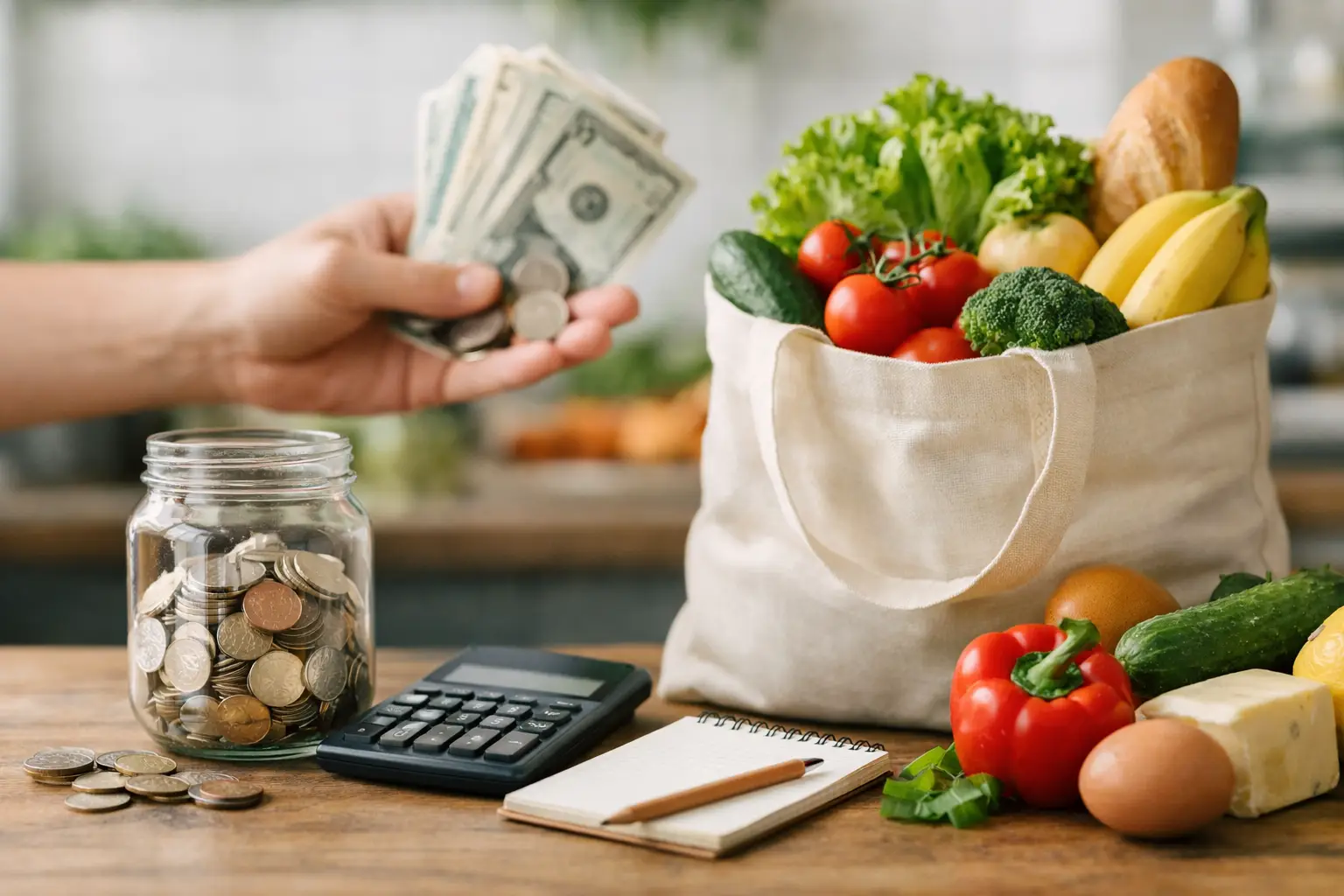
A grocery bill usually does not jump all at once. It creeps up through small habits – an extra stop at the store, a few convenience items, a vague meal plan, or buying produce with good intentions and throwing half of it away. If you are trying to figure out how to save money on groceries, the fastest wins usually come from fixing those patterns rather than cutting every enjoyable item from your cart.
The good news is that grocery savings do not have to mean coupon binders, multiple store runs, or an all-or-nothing budget reset. For most households, a lower bill comes from building a simpler system: plan a little, shop with more intention, and waste less after the food gets home.
How to save money on groceries without making life harder
A practical grocery strategy should reduce cost without creating extra friction. If saving money requires three apps, two weekend errands, and a spreadsheet you will not maintain, it will not last. The goal is to spend less in a way that fits real life.
Start by looking at your current weekly average. Many people try to cut costs without knowing what they actually spend. Review the last month of grocery purchases, including quick refill trips and warehouse runs. That number gives you a realistic baseline. From there, aim for a modest reduction, such as 10 percent, instead of an aggressive target that forces poor trade-offs.
This matters because groceries are one of the few household expenses you can adjust quickly. Rent and insurance are harder to change. Food spending is more flexible, but only if you can see where the money is going.
Build meals around overlap, not variety for its own sake
One of the most expensive shopping habits is planning too many unrelated meals in the same week. A recipe for tacos, one for stir-fry, one for pasta, and one for soup can sound efficient, but if each needs different sauces, herbs, and proteins, your cart fills up fast.
A better approach is ingredient overlap. If you buy chicken, rice, spinach, tortillas, Greek yogurt, and a few vegetables, those same ingredients can cover bowls, wraps, salads, and simple dinners across several days. You get enough variety to avoid boredom without buying a separate set of ingredients for every meal.
This is also where frozen produce and pantry staples help. Frozen broccoli, berries, peas, and mixed vegetables are often cheaper than fresh, last longer, and reduce waste. Canned beans, pasta, oats, rice, and lentils stretch meals at a low cost while making it easier to cook from what you already have.
Shop your kitchen before you shop the store
If you want to know how to save money on groceries consistently, start before you write a list. Check the fridge, freezer, and pantry first. Most households already have food that can anchor two or three meals, but they shop as if they are starting from zero.
This small habit lowers spending in two ways. First, it prevents duplicate purchases. Second, it helps use up items before they expire. A half bag of tortillas, leftover rice, and a can of black beans may not look like a meal at first, but they are enough to cut one dinner from the shopping list.
Try planning one or two use-it-up meals each week. Soup, fried rice, grain bowls, quesadillas, omelets, and pasta are all flexible options for using small amounts of ingredients. These meals are not only economical. They are one of the most reliable ways to reduce food waste, which quietly raises grocery costs more than many people realize.
Make a list that reflects how you actually live
A grocery list only works if it matches your week. If you plan ambitious dinners for nights when you usually get home late, convenience spending often follows. The same is true if you buy produce for seven days but know you will eat out twice.
Be honest about capacity. If weekdays are busy, choose a few low-effort meals and one or two easy backup foods. Rotisserie chicken, eggs, sandwiches, frozen vegetables, and soup are not glamorous, but they can prevent expensive takeout when plans change.
It also helps to organize your list by category: produce, proteins, dairy, pantry, and frozen. That makes it easier to compare options and stick to what you intended to buy. Impulse spending tends to rise when shopping feels rushed or unstructured.
Buy generic strategically, not blindly
Store brands are one of the simplest ways to reduce a grocery bill, and in many categories the quality difference is minimal. Staples such as pasta, rice, canned tomatoes, flour, sugar, broth, and frozen vegetables are often easy swaps. The savings may look small per item, but over a month they add up.
That said, not every generic product is equal. Sometimes the difference in taste, nutrition, or performance is worth paying for, especially for items you use often. The point is not to choose the cheapest version of everything. It is to identify where brand loyalty is costing more without adding much value.
A useful middle ground is to test one or two substitutions each week. That keeps the process manageable and helps you notice which switches are truly painless.
Pay attention to unit price and package size
Larger packages are not always cheaper in a meaningful way. Warehouse stores and family-size products can save money, but only when the food will actually be used before it spoils. A lower unit price is only a win if it does not lead to waste.
Compare prices by ounce, pound, or count instead of relying on shelf price alone. This is especially helpful for snacks, cereal, meat, yogurt, and household staples. In some cases, a smaller package at a regular grocery store is a better value than a bulk purchase you only partly use.
This is one area where convenience and savings can conflict. Bulk shopping works best for shelf-stable items and products your household uses consistently. For highly perishable foods, buying less more often can be the smarter financial choice.
Use sales as a filter, not as your plan
Sales can lower your grocery bill, but they are most effective when they support your meal plan instead of replacing it. Buying an item because it is discounted is not a saving if it was never needed.
A better system is to keep a short list of flexible meals and rotate them based on weekly prices. If chicken is expensive but beans, eggs, or ground turkey are on sale, adjust. If berries are high but apples are affordable, switch fruit for the week. This kind of flexibility saves money without requiring extreme couponing or brand chasing.
Digital coupons and loyalty programs can also help, especially for items you buy regularly. Just be selective. The easiest way to overspend is to treat every offer as a deal worth claiming.
Protect your savings after the checkout line
Saving money at the store means less if food goes bad at home. A few habits make a noticeable difference: store produce correctly, freeze bread or meat you will not use right away, and keep older items visible so they get used first.
It also helps to think in terms of shelf life when you unpack. Eat delicate foods early in the week and save frozen or pantry-based meals for later. Lettuce and berries should not compete with frozen pizza and boxed pasta for your attention on Thursday night.
At Luna Lifestyle Group, we would consider this the less visible side of grocery savings, but it is often where the real gains happen. Waste reduction is not flashy, yet it is one of the most reliable ways to lower food costs without feeling deprived.
Small habits that lower your grocery bill over time
A few final adjustments can make your system stronger. Avoid shopping hungry when possible. Limit quick top-up trips, since those tend to include the highest markup convenience items. Keep a short list of low-cost meals for expensive weeks. And if your budget allows, maintain a small pantry buffer of foods you actually eat so you are less vulnerable to price spikes or last-minute takeout.
If you share shopping responsibilities with a partner or family, agree on a rough plan before anyone goes to the store. Duplicate purchases, forgotten ingredients, and conflicting meal ideas can quietly add cost. A simple note on the fridge or shared phone list is often enough.
The most effective grocery budget is rarely the strictest one. It is the one you can repeat. A clear plan, flexible meals, and better use of what you already buy will usually save more than chasing every deal in the store. Start with one or two changes, notice what genuinely lowers your spending, and let the system get easier from there.
The best grocery strategy is not the cheapest possible cart. It is the one that helps you spend with intention, eat what you buy, and make next week a little simpler than this one.